
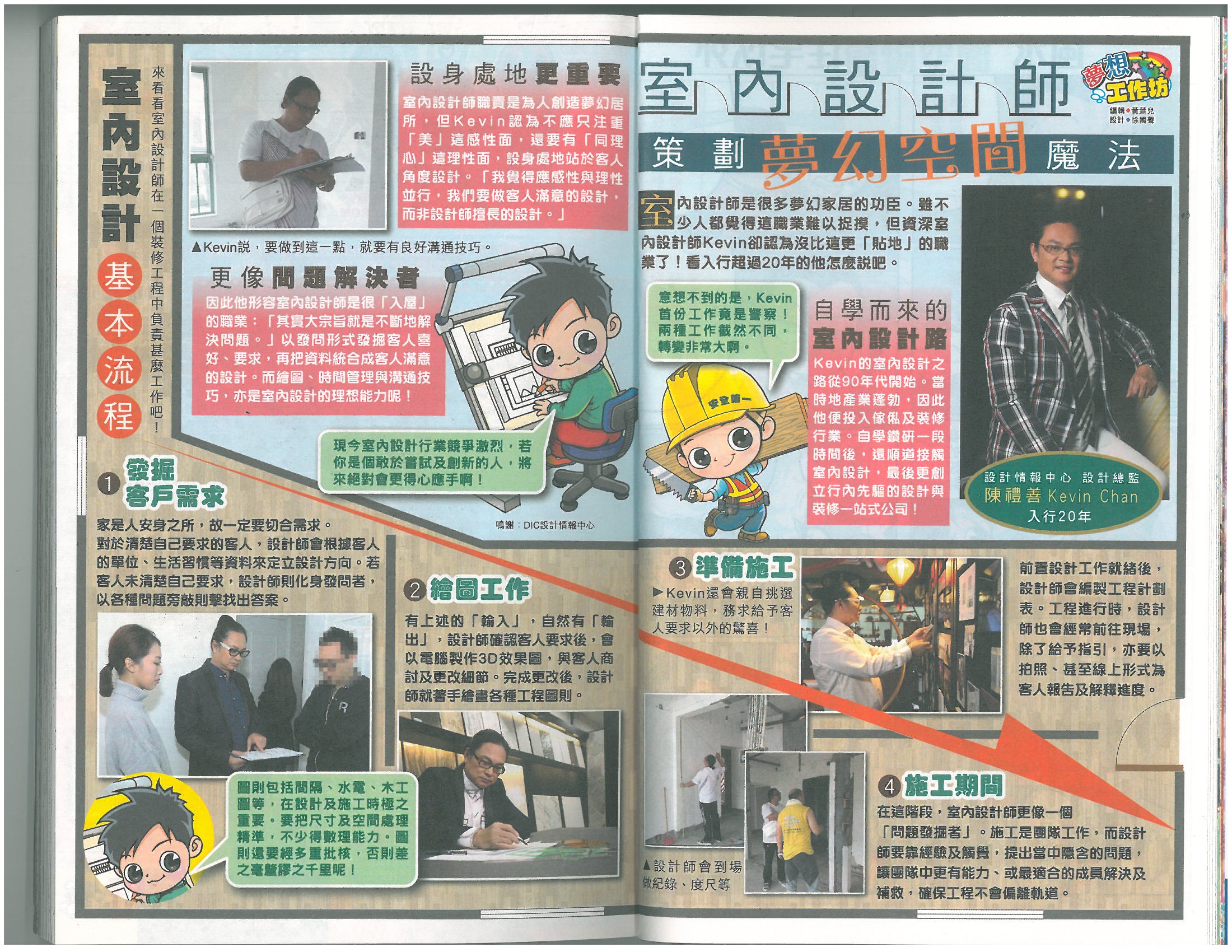
Interior designers are the mastermind behind lots of homes. Although many people find this job elusive, Senior Interior Designer Kevin believes that there are no other careers as “intimate” as being a designer. Let’s find out about his opinion after working in this profession for more than 20 years.

Design Information Centre: Design Director Kevin Chan with an experience for more than 20 years
Self-study interior design
The dream of being an interior designer began in the 90’s. The blooming real estate industry had prompted him to plunge into the furniture and renovation industry. After self-studying for years, he further took the opportunity to venture into the interior design industry. He further established a one-stop design and renovation company!
To lots of surprises, Kevin Chan first job was a policeman! These are two entire different jobs. How much he has changed!
Put yourself in other’s shoes
Interior designers are responsible for creating dream homes for others, but Kevin thinks that beside on focusing “beauty” alone, rational “empathy” as well to design from the customers’ point of view. “I think we should stress both emotional and rational factors. We create designs that the customers can satisfy rather than to design what the designers are good at."
Kevin said: “In order to achieve this, we must have good communication skills.”
Being a problem solver
He describes interior designers as a problem solving job. “In fact, the key purpose is to solve problems.” This involves exploring customers’ preferences and requests through a questioning approach, and then integrating the data to create customer satisfaction designs. Drawing, time management and communication skills are ideal competencies for the interior designers!
Amid the highly competitive interior design industry nowadays, if you are a man who loves challenges and innovative, then your future will definitely productive!
The basic flow of interior design
The basic flow of interior design
1. Exploring customer needs
Home is where people lives, so it must meet their intimate needs. For a customer who understands what his/her needs are, the designer will set up the design directions based on the unit, living habits and other information the customer required. If the customer does not have any ideals, the designer should act as a questioner to find out more from different perspectives.
2. Drawing Work
The availability of the above “input” will naturally generate an “output.” After confirming the customer requests, the designer will create 3D design sketches with the help of computer and further discuss the details with the customer. After amending the design, the designer will start to work out different drawings.
The drawings include spacing, hydroelectric engineering, carpentry, etc. As it is extremely important in design and construction, a competency in mathematical knowledge is essential to achieve in drawing precise dimensions and spatial images. The drawings also need to undergo multiple approvals. Otherwise, a small discrepancy will lead to a great error!
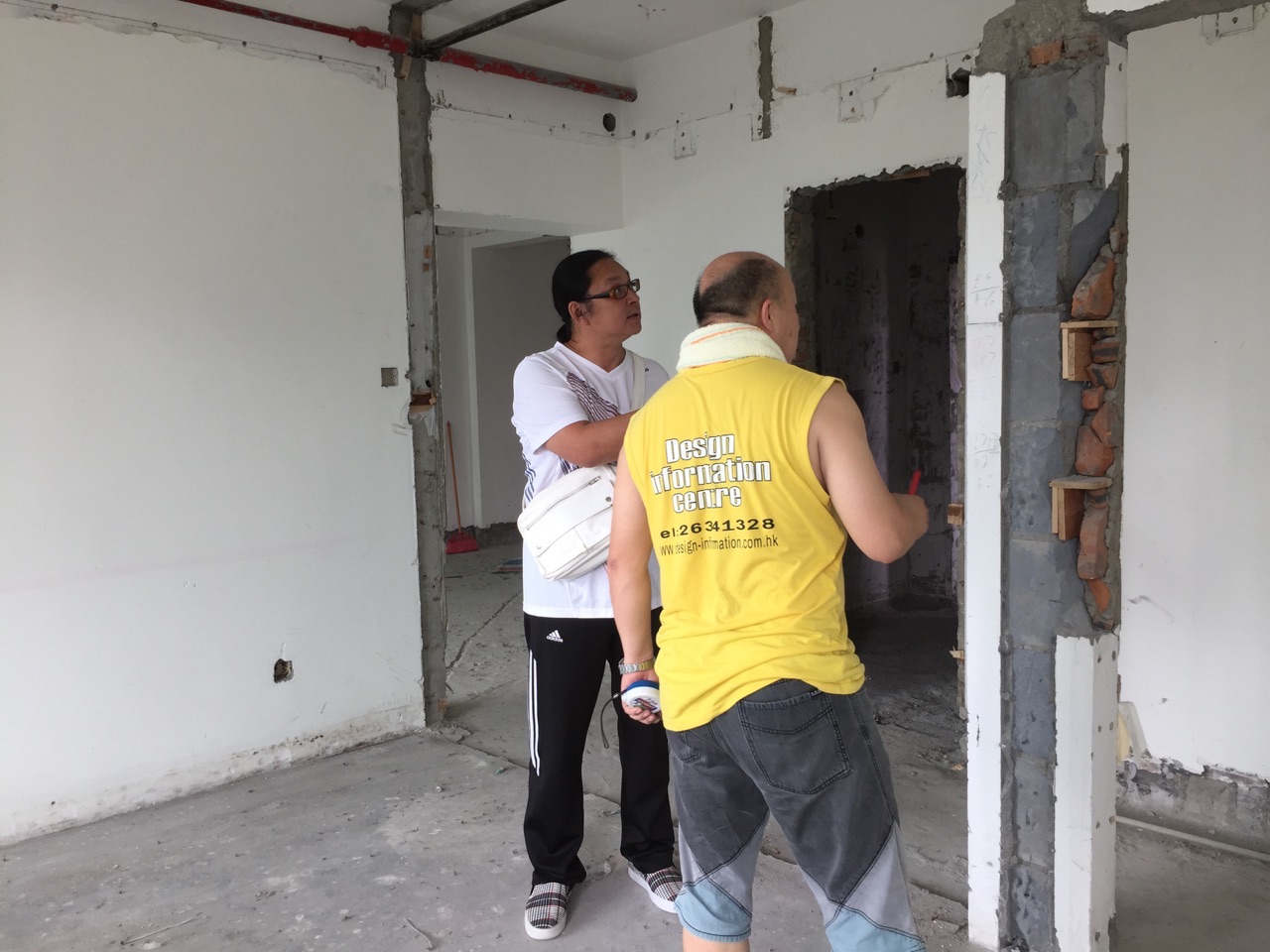
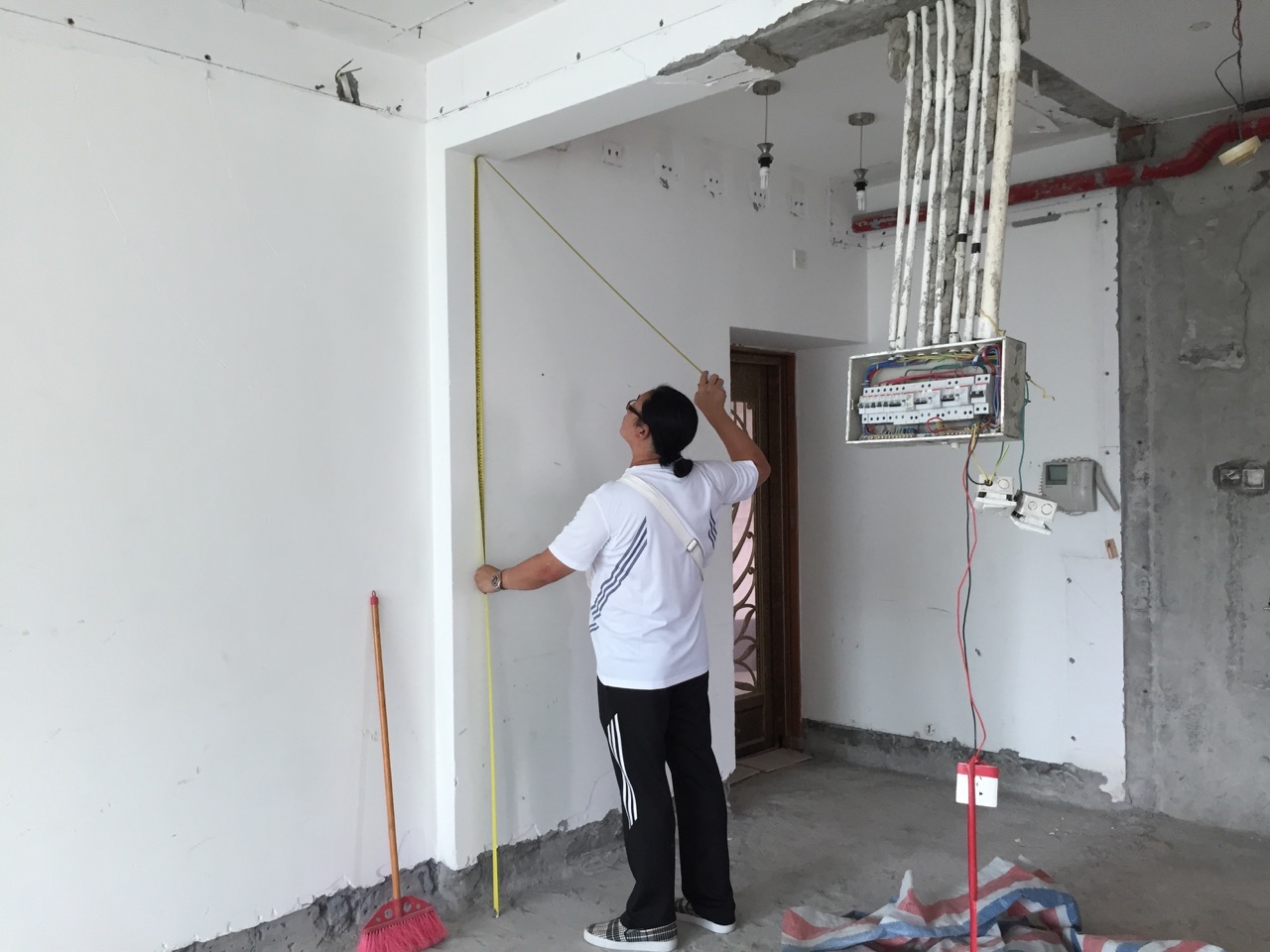
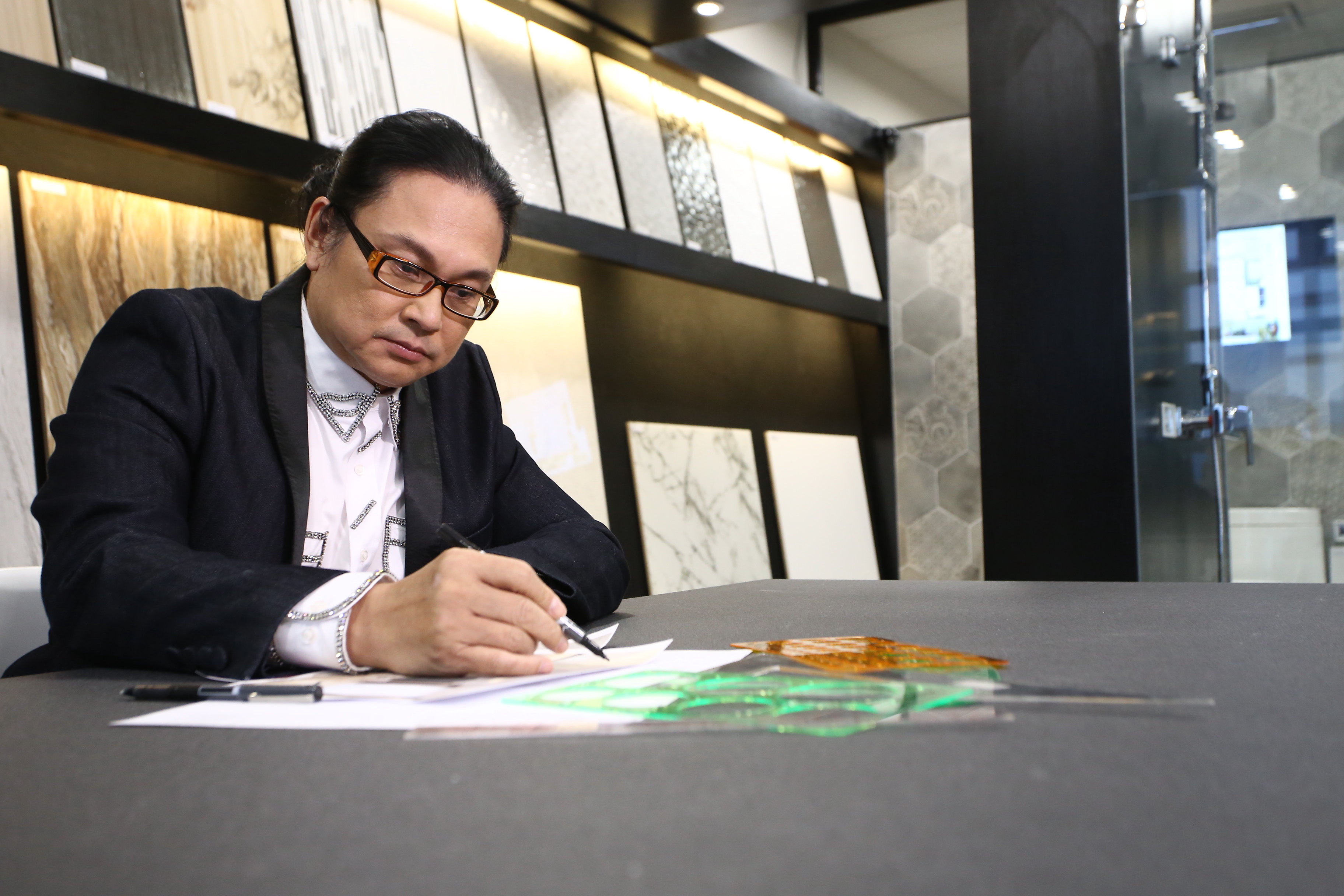
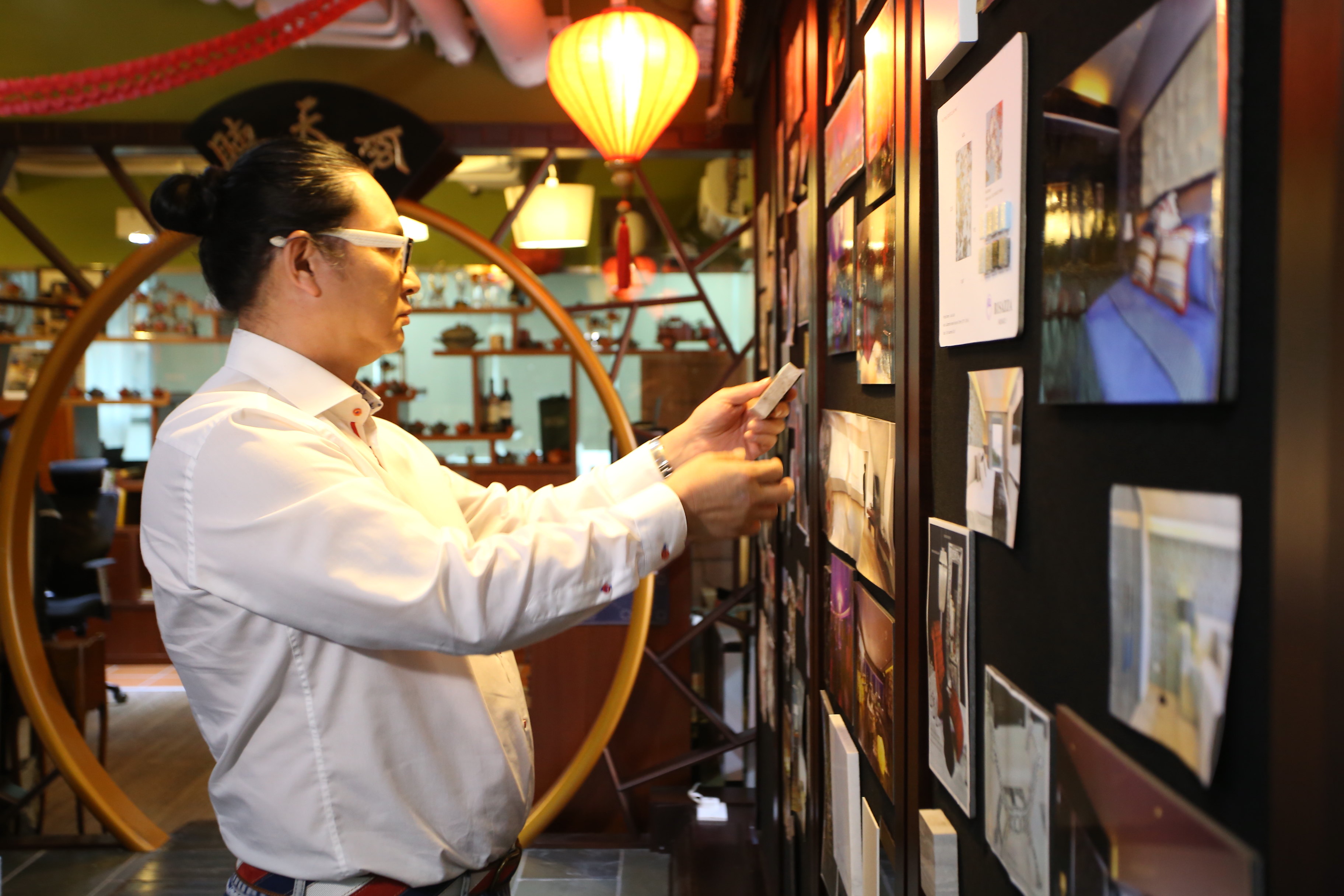
Kevin will also select the building materials personally to ensure giving surprises to the customer beyond his/her requests!
After the aforesaid design work is in place, the designer will prepare the project schedule. When the project is in progress, the designer will often visit the scene to give guidance, take pictures, and even report and explain the progress online with the customer.
4. Construction period
At this stage, the interior designer acts more like a “problem digger.” Construction is a team work, and the designer must rely on experience and feeling, and propose implicit questions to allow the most competent and most suitable members of the team to settle and remediate the issues, ensuring that the project will not be deviated.
422 feet
Property information: 1 bedrooms/1 living rooms
Number of People. 1
Acknowledgement COCO 2016 No. 6 quoted |